Airline Pilot
Also known as: Commercial Pilot, Flight Captain, Aircraft Pilot, Pilot-in-Command
Job Description
A Day in the Life
Your alarm blares at 03:00 AM in your Dallas hotel room. By 04:00, you're at the crew briefing room at DFW, meeting your First Officer for today's early morning flight to Seattle. You pull up the flight plan on your Electronic Flight Bag (EFB), reviewing weather forecasts, fuel requirements, and any NOTAMs (Notices to Airmen). You discuss the route, potential turbulence, and operational specifics, ensuring you both have a synchronized understanding of the upcoming journey. The pressure is on from the start.
Future Perspective
This field is experiencing expansion with increasing job opportunities and career advancement potential. Market demand is rising, with new positions being created.
Career ladder
Often before this role
- Private Pilot
- Flight Instructor
Where it can lead
- Chief Pilot
- Director of Aviation Operations
- Airline Operations Manager
Impact of AI on this Job
Salary
$120,000 - $250,000 per year
Estimated for US-wide average
Required Education
Bachelor's Degree
Minimum educational requirement for this position
Relevant Studies
Based on job level & field
Robotics
Bachelor • Tech & Engineering • 4 years
Robotics Engineering
Bachelor • Tech & Engineering • 4 years
Energy Resources Engineering
Bachelor • Tech & Engineering • 4 years
Petroleum Engineering
Bachelor • Tech & Engineering • 4 years
Environmental Engineering
Bachelor • Nature & Environment • 4 years
Machine Learning
Bachelor • Tech & Engineering • 4 years
Videos about {{jobTitle}}
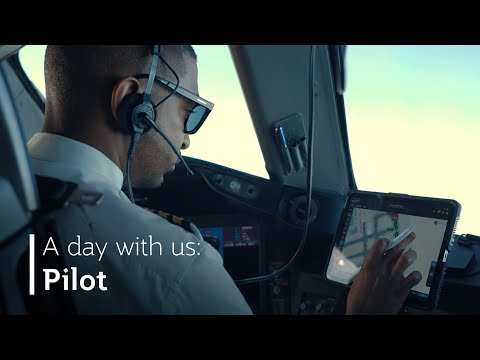
Day in the life of a pilot
From pre-flight prep to cruising at 40,000 feet - get a glimpse of what a day in the life of a Qatar Airways pilot looks like. ✈️