Aussi connu sous: Ingénieur en sécurité de l'information, Ingénieur en sécurité réseau, Architecte de sécurité, Ingénieur en sécurité informatique
Technologie et ingénierieBachelor's Degree
Description du Poste
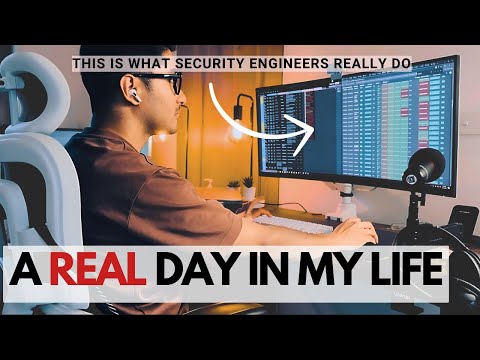
Un ingénieur en cybersécurité est responsable de la protection des systèmes informatiques et des réseaux d'une organisation en mettant en œuvre les mesures de sécurité les plus récentes. Ce rôle implique la conception, la construction et la maintenance de systèmes sécurisés, ainsi que la réponse à toute menace ou violation de la cybersécurité qui pourrait survenir. Les ingénieurs en cybersécurité effectuent des évaluations des risques pour identifier les vulnérabilités, élaborent des politiques et des procédures de sécurité, et veillent à la conformité aux réglementations en matière de sécurité. Ils collaborent également avec les équipes informatiques pour surveiller le trafic réseau à la recherche d'activités inhabituelles, et ils peuvent être impliqués dans la planification de la réponse aux incidents et la reprise après sinistre. Une formation continue sur les technologies de sécurité émergentes et les tendances en matière de cybersécurité est essentielle pour réussir dans ce rôle.
TechSécuritéIngénierieAnalyse
Perspectives d'Avenir
Marché de l'Emploi Stable
Ce domaine maintient des niveaux d'emploi stables avec une demande constante. Les opportunités d'emploi restent disponibles avec une concurrence modérée.
Parcours de carrière
Souvent avant ce poste
Security Analyst
IT Support Specialist
Ingénieur en cybersécurité
Vers où cela peut mener
Senior Cybersecurity Engineer
Chief Information Security Officer
Security Consultant
Impact de l'IA sur le Métier
L'IA est sur le point de transformer considérablement le rôle des ingénieurs en cybersécurité. Un impact majeur est l'automatisation des tâches grâce à des outils basés sur l'IA pour la détection des menaces et la réponse aux incidents, permettant aux ingénieurs de se concentrer sur la stratégie plutôt que sur la surveillance de routine. Cependant, cela pourrait entraîner une évolution des compétences requises ; la maîtrise de la gestion des modèles d'IA et de l'analyse des données deviendra essentielle. Bien que la demande de professionnels de la cybersécurité devrait augmenter en raison de la multiplication des cybermenaces, les ingénieurs doivent s'adapter à un paysage où l'IA joue un rôle central. Les technologies émergentes, telles que les tests d'intrusion basés sur l'IA et les contrôles de conformité automatisés, seront des outils essentiels. Au cours des 5 à 10 prochaines années, le rôle pourrait évoluer vers une position plus stratégique, nécessitant un mélange d'expertise technique et la capacité d'exploiter les informations de l'IA pour des mesures de sécurité proactives, présentant ainsi à la fois des opportunités et des défis pour rester pertinent dans le domaine.